

Global Thermoregulation for Neonates Market Overview
Western Market Research estimates that the Global Thermoregulation for Neonates Market was valued at USD XXXX million in 2025 and is expected to reach USD XXXX million by 2036, growing at a CAGR of XX% during the forecast period 2026–2036.
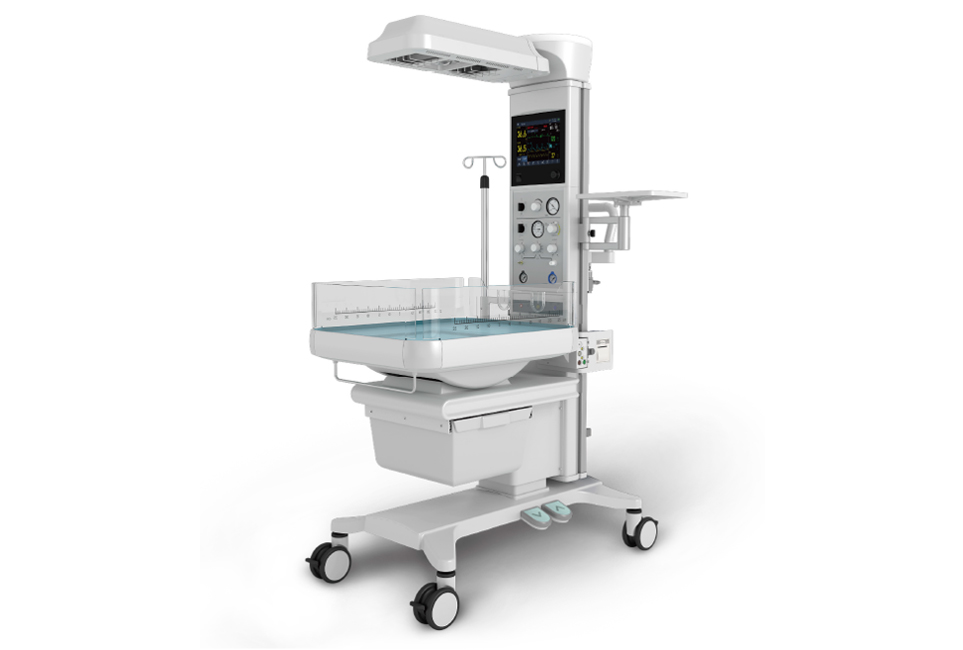
Thermoregulation for neonates refers to medical technologies and systems designed to maintain optimal body temperature in newborns—particularly preterm and low-birth-weight infants—who are highly vulnerable to hypothermia and thermal instability. Effective thermal management is a cornerstone of neonatal care, directly influencing survival rates, metabolic stability, and long-term developmental outcomes.
Market growth is driven by rising preterm birth rates, expansion of neonatal intensive care units (NICUs), technological advancements in servo-controlled warming systems, and increasing government focus on maternal and neonatal health. Innovation in energy-efficient, portable, and skin-friendly thermoregulation devices further supports adoption across both developed and emerging healthcare systems.
Impact of COVID-19 on the Thermoregulation for Neonates Market
The COVID-19 pandemic disrupted supply chains and delayed some hospital equipment procurement. However, neonatal care remained a non-deferrable clinical priority, and demand for thermoregulation systems remained resilient due to:
-
Continuous need for NICU services
-
Increased healthcare investments in critical care infrastructure
-
Renewed focus on infection-safe and closed-environment neonatal systems
Post-pandemic recovery has strengthened procurement of advanced neonatal care equipment globally.
Global Thermoregulation for Neonates Market Segmentation
By Modality Type
-
Closed Modality Systems
(Incubators with controlled humidity, temperature, and airflow) -
Open Modality Systems
(Radiant warmers and open care platforms)
By Product Type
-
Infant Incubators
-
Radiant Warmers
-
Hybrid Warming Systems
-
Transport Warmers
-
Thermal Mattresses & Accessories
By Application
-
Pediatric & Neonatal Intensive Care Units (NICUs)
-
Hospitals & Maternity Centers
-
Neonatal Transport Services
By End User
-
Public Hospitals
-
Private Hospitals
-
Specialty Neonatal Care Centers
Regional Analysis
North America
-
Highly developed NICU infrastructure
-
Early adoption of servo-controlled incubators
-
Strong reimbursement and neonatal care protocols
Europe
-
Widespread use of closed-system incubators
-
Strong regulatory and safety standards
-
Continuous upgrades in neonatal equipment
Asia-Pacific
-
Fastest-growing regional market
-
High preterm birth burden
-
Rapid expansion of maternal and neonatal healthcare facilities
South America
-
Growth supported by public healthcare investments
-
Increasing access to basic and advanced neonatal warming devices
Middle East & Africa
-
Rising adoption in tertiary hospitals
-
Strong role of international aid and neonatal health programs
Competitive Landscape – Key Market Players
Competition is based on temperature precision, safety, energy efficiency, ease of use, and after-sales support. Key players include:
-
GE Healthcare
-
Koninklijke Philips
-
Drägerwerk
-
Fisher & Paykel Healthcare
-
Atom Medical Corporation
-
Natus Medical
-
Inspiration Healthcare Group
-
Fanem
-
International Biomedical
-
Pluss Advanced Technologies
-
Novos
Porter’s Five Forces Analysis
-
Threat of New Entrants: Medium – regulatory approval and clinical validation required
-
Bargaining Power of Suppliers: Moderate – specialized electronic and thermal components
-
Bargaining Power of Buyers: High – hospital procurement and tender-based purchasing
-
Threat of Substitutes: Low – thermoregulation is essential in neonatal care
-
Competitive Rivalry: High – technology differentiation and pricing pressure
SWOT Analysis
Strengths
-
Clinically essential, life-saving technology
-
Strong guideline support in neonatal care
-
Continuous technological innovation
Weaknesses
-
High capital cost of advanced systems
-
Maintenance and training requirements
Opportunities
-
Expansion of NICUs in emerging economies
-
Portable and low-cost warming solutions
-
Integration with monitoring and respiratory systems
Threats
-
Budget constraints in public healthcare
-
Competition from refurbished equipment markets
Trend Analysis
-
Shift toward closed-modality, servo-controlled incubators
-
Integration with digital monitoring and alarm systems
-
Demand for portable and transport-friendly warmers
-
Energy-efficient and low-noise neonatal devices
-
Growing focus on developmental care and skin-friendly materials
Market Drivers & Challenges
Key Drivers
-
Rising preterm and low-birth-weight births
-
Expansion of neonatal intensive care infrastructure
-
Government and NGO focus on neonatal survival
Key Challenges
-
High upfront device costs
-
Limited access in low-resource settings
-
Need for skilled neonatal staff
Value Chain Analysis
-
Thermal Sensors & Electronic Components
-
Device Manufacturing & Assembly
-
Quality Testing & Regulatory Approval
-
Distribution to Hospitals & NICUs
-
Installation, Training & After-Sales Service
Strategic Recommendations for Stakeholders
-
Manufacturers: Develop cost-effective, energy-efficient neonatal warming systems
-
Hospitals: Standardize thermoregulation protocols across NICUs
-
Investors: Focus on Asia-Pacific and Africa neonatal infrastructure growth
-
Policy Makers: Support funding for neonatal equipment in public hospitals
-
NGOs & Global Health Bodies: Expand access to basic thermoregulation devices in low-income regions
1. Market Overview of Thermoregulation for Neonates
1.1 Thermoregulation for Neonates Market Overview
1.1.1 Thermoregulation for Neonates Product Scope
1.1.2 Market Status and Outlook
1.2 Thermoregulation for Neonates Market Size by Regions: 2015 VS 2021 VS 2026
1.3 Thermoregulation for Neonates Historic Market Size by Regions
1.4 Thermoregulation for Neonates Forecasted Market Size by Regions
1.5 Covid-19 Impact on Key Regions, Keyword Market Size YoY Growth
1.5.1 North America
1.5.2 East Asia
1.5.3 Europe
1.5.4 South Asia
1.5.5 Southeast Asia
1.5.6 Middle East
1.5.7 Africa
1.5.8 Oceania
1.5.9 South America
1.5.10 Rest of the World
1.6 Coronavirus Disease 2019 (Covid-19) Impact Will Have a Severe Impact on Global Growth
1.6.1 Covid-19 Impact: Global GDP Growth, 2019, 2020 and 2021 Projections
1.6.2 Covid-19 Impact: Commodity Prices Indices
1.6.3 Covid-19 Impact: Global Major Government Policy
2. Covid-19 Impact Thermoregulation for Neonates Sales Market by Type
2.1 Global Thermoregulation for Neonates Historic Market Size by Type
2.2 Global Thermoregulation for Neonates Forecasted Market Size by Type
2.3 Closed Modality
2.4 Opened Modality
3. Covid-19 Impact Thermoregulation for Neonates Sales Market by Application
3.1 Global Thermoregulation for Neonates Historic Market Size by Application
3.2 Global Thermoregulation for Neonates Forecasted Market Size by Application
3.3 Pediatric and Neonatal Intensive Care Units
3.4 Hospitals
4. Covid-19 Impact Market Competition by Manufacturers
4.1 Global Thermoregulation for Neonates Production Capacity Market Share by Manufacturers
4.2 Global Thermoregulation for Neonates Revenue Market Share by Manufacturers
4.3 Global Thermoregulation for Neonates Average Price by Manufacturers
5. Company Profiles and Key Figures in Thermoregulation for Neonates Business
5.1 Atom Medical Corporation
5.1.1 Atom Medical Corporation Company Profile
5.1.2 Atom Medical Corporation Thermoregulation for Neonates Product Specification
5.1.3 Atom Medical Corporation Thermoregulation for Neonates Production Capacity, Revenue, Price and Gross Margin
5.2 Inspiration Healthcare Group
5.2.1 Inspiration Healthcare Group Company Profile
5.2.2 Inspiration Healthcare Group Thermoregulation for Neonates Product Specification
5.2.3 Inspiration Healthcare Group Thermoregulation for Neonates Production Capacity, Revenue, Price and Gross Margin
5.3 Pluss Advanced Technologies
5.3.1 Pluss Advanced Technologies Company Profile
5.3.2 Pluss Advanced Technologies Thermoregulation for Neonates Product Specification
5.3.3 Pluss Advanced Technologies Thermoregulation for Neonates Production Capacity, Revenue, Price and Gross Margin
5.4 GE Healthcare
5.4.1 GE Healthcare Company Profile
5.4.2 GE Healthcare Thermoregulation for Neonates Product Specification
5.4.3 GE Healthcare Thermoregulation for Neonates Production Capacity, Revenue, Price and Gross Margin
5.5 International Biomedical
5.5.1 International Biomedical Company Profile
5.5.2 International Biomedical Thermoregulation for Neonates Product Specification
5.5.3 International Biomedical Thermoregulation for Neonates Production Capacity, Revenue, Price and Gross Margin
5.6 Natus
5.6.1 Natus Company Profile
5.6.2 Natus Thermoregulation for Neonates Product Specification
5.6.3 Natus Thermoregulation for Neonates Production Capacity, Revenue, Price and Gross Margin
5.7 Koninklijke Philips
5.7.1 Koninklijke Philips Company Profile
5.7.2 Koninklijke Philips Thermoregulation for Neonates Product Specification
5.7.3 Koninklijke Philips Thermoregulation for Neonates Production Capacity, Revenue, Price and Gross Margin
5.8 Dragerwerk
5.8.1 Dragerwerk Company Profile
5.8.2 Dragerwerk Thermoregulation for Neonates Product Specification
5.8.3 Dragerwerk Thermoregulation for Neonates Production Capacity, Revenue, Price and Gross Margin
5.9 Fisher & Paykel
5.9.1 Fisher & Paykel Company Profile
5.9.2 Fisher & Paykel Thermoregulation for Neonates Product Specification
5.9.3 Fisher & Paykel Thermoregulation for Neonates Production Capacity, Revenue, Price and Gross Margin
5.10 Fanem
5.10.1 Fanem Company Profile
5.10.2 Fanem Thermoregulation for Neonates Product Specification
5.10.3 Fanem Thermoregulation for Neonates Production Capacity, Revenue, Price and Gross Margin
5.11 Novos
5.11.1 Novos Company Profile
5.11.2 Novos Thermoregulation for Neonates Product Specification
5.11.3 Novos Thermoregulation for Neonates Production Capacity, Revenue, Price and Gross Margin
6. North America
6.1 North America Thermoregulation for Neonates Market Size
6.2 North America Thermoregulation for Neonates Key Players in North America
6.3 North America Thermoregulation for Neonates Market Size by Type
6.4 North America Thermoregulation for Neonates Market Size by Application
7. East Asia
7.1 East Asia Thermoregulation for Neonates Market Size
7.2 East Asia Thermoregulation for Neonates Key Players in North America
7.3 East Asia Thermoregulation for Neonates Market Size by Type
7.4 East Asia Thermoregulation for Neonates Market Size by Application
8. Europe
8.1 Europe Thermoregulation for Neonates Market Size
8.2 Europe Thermoregulation for Neonates Key Players in North America
8.3 Europe Thermoregulation for Neonates Market Size by Type
8.4 Europe Thermoregulation for Neonates Market Size by Application
9. South Asia
9.1 South Asia Thermoregulation for Neonates Market Size
9.2 South Asia Thermoregulation for Neonates Key Players in North America
9.3 South Asia Thermoregulation for Neonates Market Size by Type
9.4 South Asia Thermoregulation for Neonates Market Size by Application
10. Southeast Asia
10.1 Southeast Asia Thermoregulation for Neonates Market Size
10.2 Southeast Asia Thermoregulation for Neonates Key Players in North America
10.3 Southeast Asia Thermoregulation for Neonates Market Size by Type
10.4 Southeast Asia Thermoregulation for Neonates Market Size by Application
11. Middle East
11.1 Middle East Thermoregulation for Neonates Market Size
11.2 Middle East Thermoregulation for Neonates Key Players in North America
11.3 Middle East Thermoregulation for Neonates Market Size by Type
11.4 Middle East Thermoregulation for Neonates Market Size by Application
12. Africa
12.1 Africa Thermoregulation for Neonates Market Size
12.2 Africa Thermoregulation for Neonates Key Players in North America
12.3 Africa Thermoregulation for Neonates Market Size by Type
12.4 Africa Thermoregulation for Neonates Market Size by Application
13. Oceania
13.1 Oceania Thermoregulation for Neonates Market Size
13.2 Oceania Thermoregulation for Neonates Key Players in North America
13.3 Oceania Thermoregulation for Neonates Market Size by Type
13.4 Oceania Thermoregulation for Neonates Market Size by Application
14. South America
14.1 South America Thermoregulation for Neonates Market Size
14.2 South America Thermoregulation for Neonates Key Players in North America
14.3 South America Thermoregulation for Neonates Market Size by Type
14.4 South America Thermoregulation for Neonates Market Size by Application
15. Rest of the World
15.1 Rest of the World Thermoregulation for Neonates Market Size
15.2 Rest of the World Thermoregulation for Neonates Key Players in North America
15.3 Rest of the World Thermoregulation for Neonates Market Size by Type
15.4 Rest of the World Thermoregulation for Neonates Market Size by Application
16 Thermoregulation for Neonates Market Dynamics
16.1 Covid-19 Impact Market Top Trends
16.2 Covid-19 Impact Market Drivers
16.3 Covid-19 Impact Market Challenges
16.4 Porter
Global Thermoregulation for Neonates Market Segmentation
By Modality Type
-
Closed Modality Systems
(Incubators with controlled humidity, temperature, and airflow) -
Open Modality Systems
(Radiant warmers and open care platforms)
By Product Type
-
Infant Incubators
-
Radiant Warmers
-
Hybrid Warming Systems
-
Transport Warmers
-
Thermal Mattresses & Accessories
By Application
-
Pediatric & Neonatal Intensive Care Units (NICUs)
-
Hospitals & Maternity Centers
-
Neonatal Transport Services
By End User
-
Public Hospitals
-
Private Hospitals
-
Specialty Neonatal Care Centers
Competitive Landscape – Key Market Players
Competition is based on temperature precision, safety, energy efficiency, ease of use, and after-sales support. Key players include:
-
GE Healthcare
-
Koninklijke Philips
-
Drägerwerk
-
Fisher & Paykel Healthcare
-
Atom Medical Corporation
-
Natus Medical
-
Inspiration Healthcare Group
-
Fanem
-
International Biomedical
-
Pluss Advanced Technologies
-
Novos
